Season 2: Climate, Environment & Criminal Law
In the podcast «Fokus: Strafrecht» we discuss current challenges and their implications for Swiss criminal law with experts from the legal profession and other disciplines.
Season 2 focuses on issues relating to climate, the environment and criminal law: How much is climate change costing us? Do we need a World Climate Court? How is case law evolving with regard to climate protests or climate liability? What solutions do the sociology of law and legal methodology offer? And much more...
You find all episodes on the popular podcast platforms, such as Spotify, Apple Podcasts or Youtube.
PFAS: «Don't panic, but don't wait»

So-called ‘forever chemicals’ are an industrial success story because they make products water-, grease- and dirt-repellent. At the same time, PFAS are now being detected worldwide in soil, water, food and even in the human body.
Dr. Sebastian Heselhaus is Professor of European, International and Public Law at the University of Lucerne, specialising in comparative environmental law and risk regulation. He explains how PFAS enter the food chain and why we must now speak of a global, long-term exposure. He examines the regulatory approaches in Switzerland and the EU, the role of the precautionary principle and the difficulties involved in managing risks whose consequences only become apparent decades later.
In dubio pro natura: new approach to legal methodology
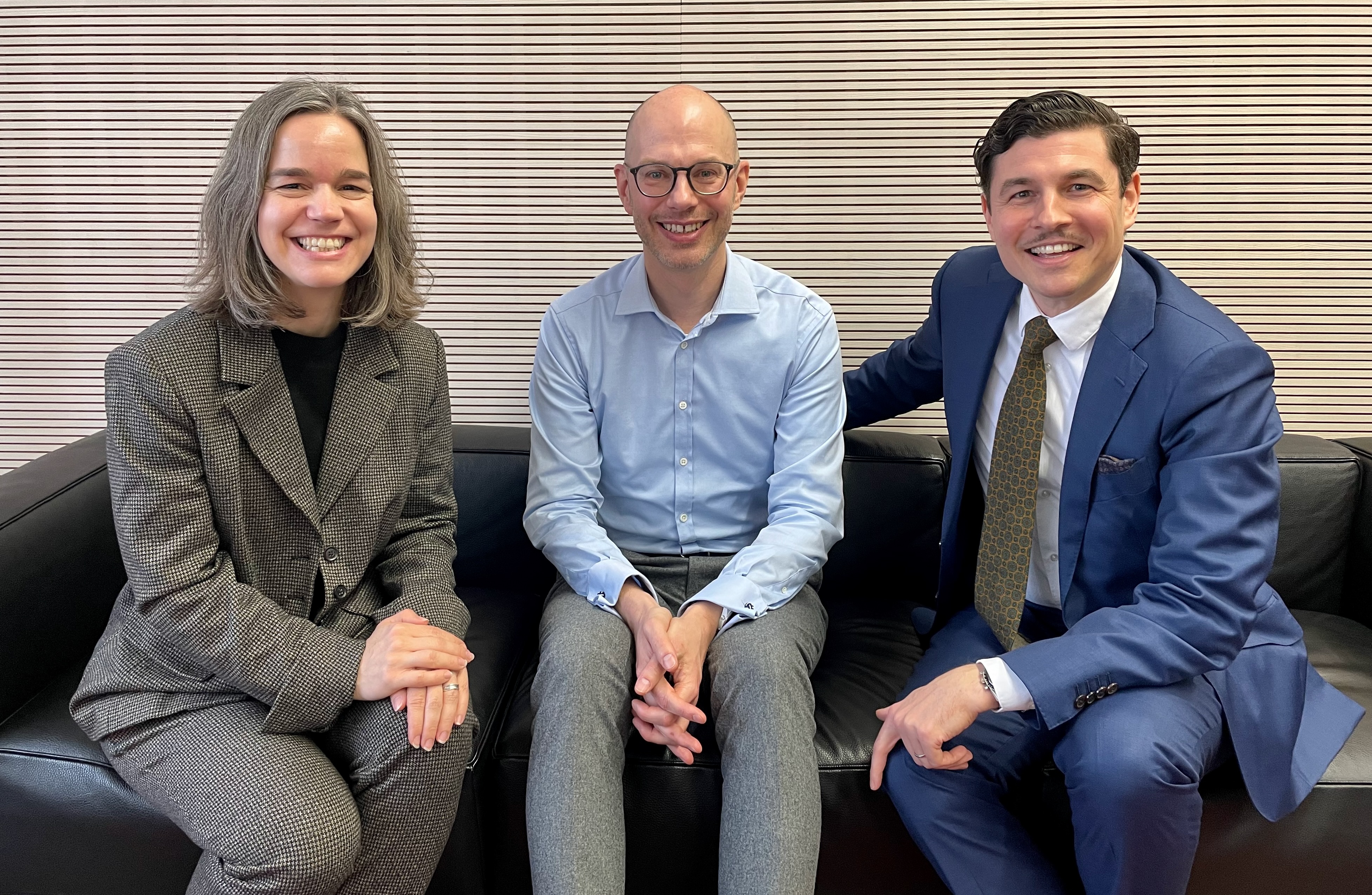
Despite increasing regulation, climate change, biodiversity loss and environmental pollution continue to worsen.Nils Schaks, Professor of Public Law specialising in life sciences law, describes the current situation as a ‘hamster wheel’ – characterised by a great deal of activity but little structural progress. This is where his ‘Law and Nature’ approach comes in. Rather than waiting for new laws to be enacted, he proposes a methodological shift: reinterpreting existing law, for example through a more ecological interpretation. Applying the principle of ‘in dubio pro natura’, where there are several possible interpretations, the one that offers greater protection for environmental and climate concerns would be given preference.
Nils Schaks also considers the temporal dimension. Whilst fiscal policy instruments such as the debt brake explicitly protect future generations, there is no comparable mechanism for ecological ‘debt’. Yet environmental and climate decisions affect not only the distant future, but also present-day generations.
Climate change: perspective of legal sociology
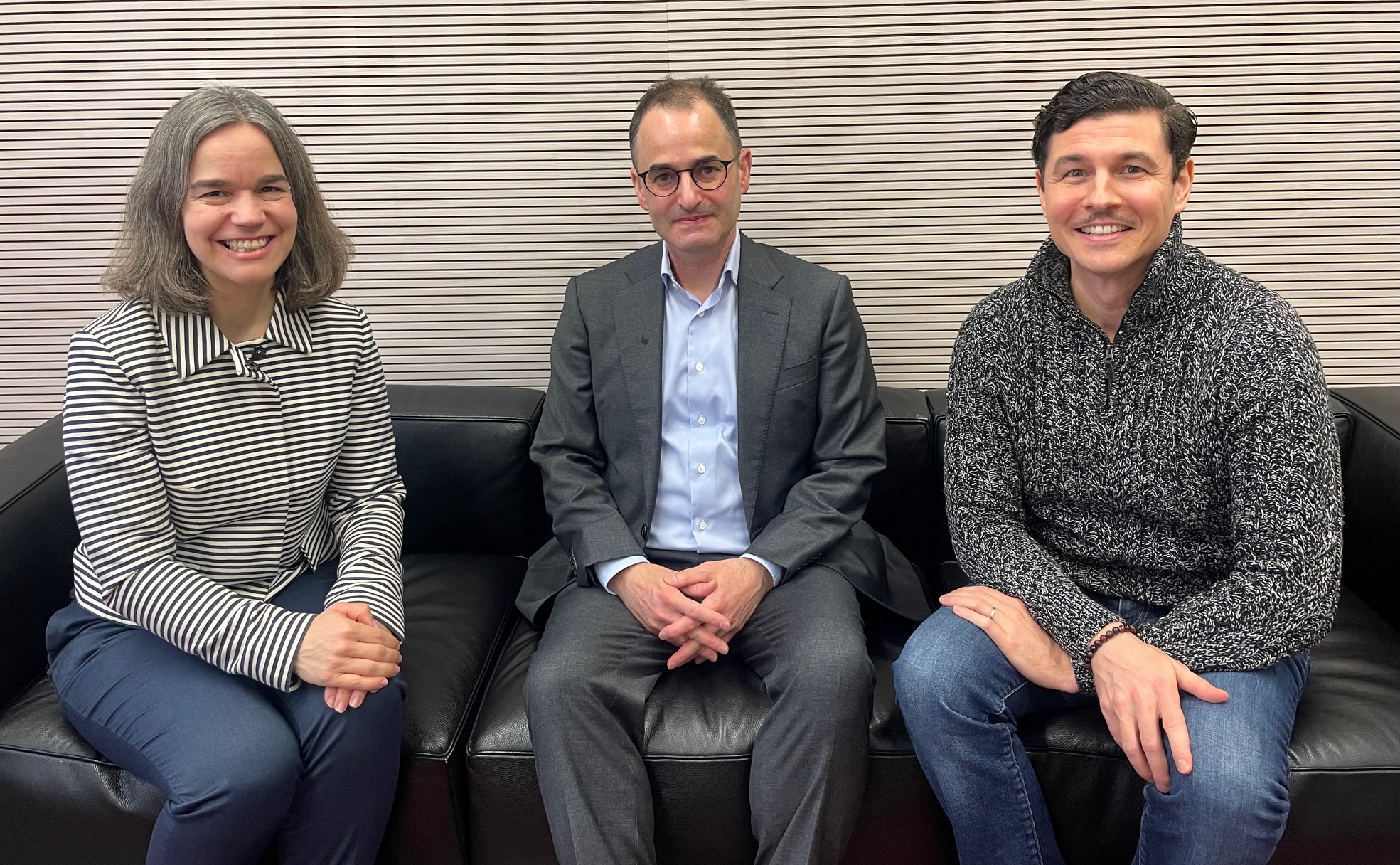
Why are ‘climate activists’ prosecuted, but not those responsible for climate change? Sociology of law emphasises that society can only respond to climate change in accordance with its institutional frameworks. Science, business, politics and the law each see something different when they look at climate change. Findings from climate science therefore do not automatically find their way into the legal system, but only when they are brought before the courts in the form of a dispute. Criminal law finds it particularly difficult to attribute climate damage to individuals. This explains, for example, why the ‘diesel scandal’ is treated under criminal law as an economic offence rather than an environmental one.
Bijan Fateh-Moghadam, Professor of Foundations of Law and Life Sciences Law at the University of Basel, argues for a fundamental rethinking of the law, based on new concepts such as the protection of future generations or the recognition of nature as a legal entity. He demonstrates how ‘a march through the systems’ is already enabling change today. The basis for this should be the realisation that we are living in the Anthropocene, a period in which the climate system is significantly influenced by human activity.
Environmental crimes: police investigations
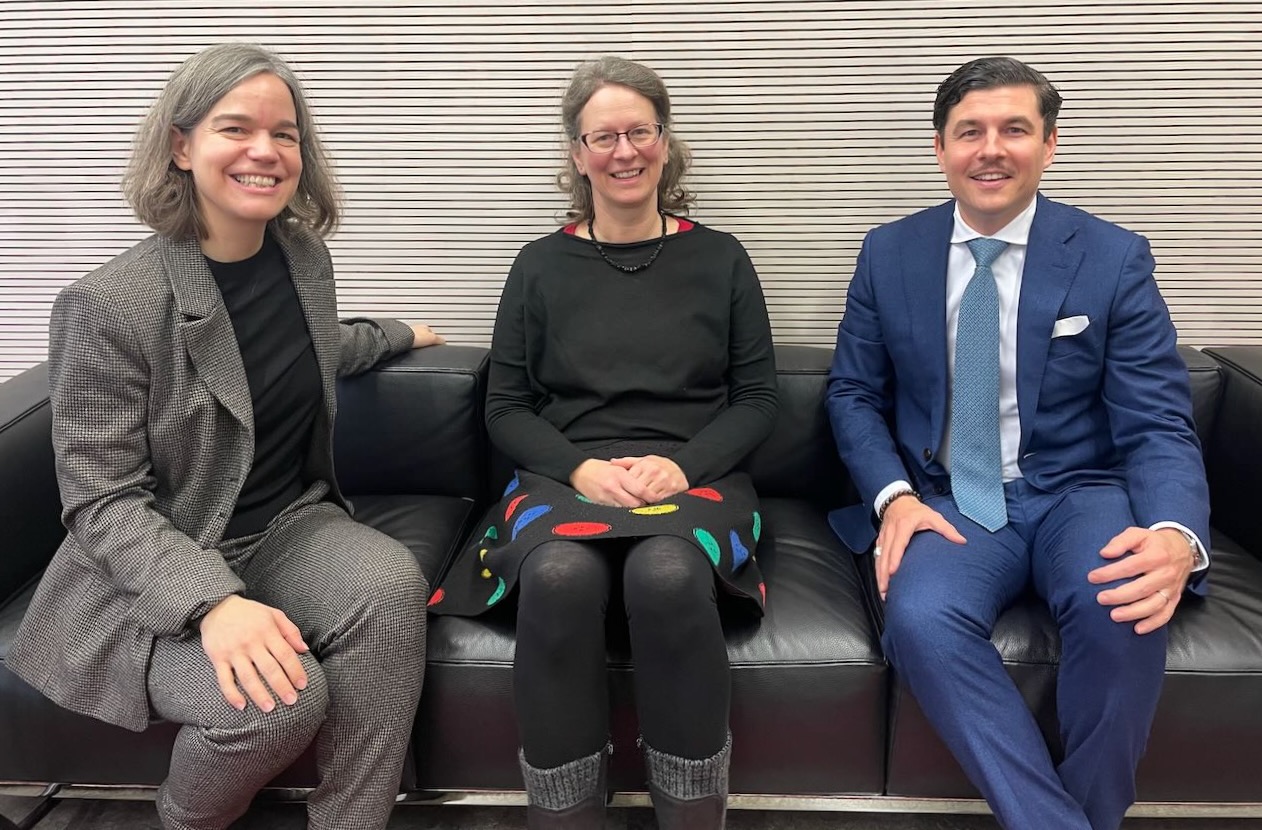
What happens when waste ends up in the forest, water bodies are polluted or chemicals are disposed of incorrectly? Martina Rivola, a graduate in Environmental and Natural Sciences from ETH Zurich and Head of theEnvironment Unit at the Bern Cantonal Police, provides insights into the practical prosecution of environmental offences at cantonal level. She explains why such investigations must be conducted on two tracks – that is, under criminal and administrative law – and why the most costly consequence for offenders is often not the fine, but the cost of remediation. Using specific cases, it becomes clear just how complex such investigations often are, and how essential close cooperation and a good flow of information are between the police, the public prosecutor’s office and the environmental authorities.
Climate protests in court: a debate
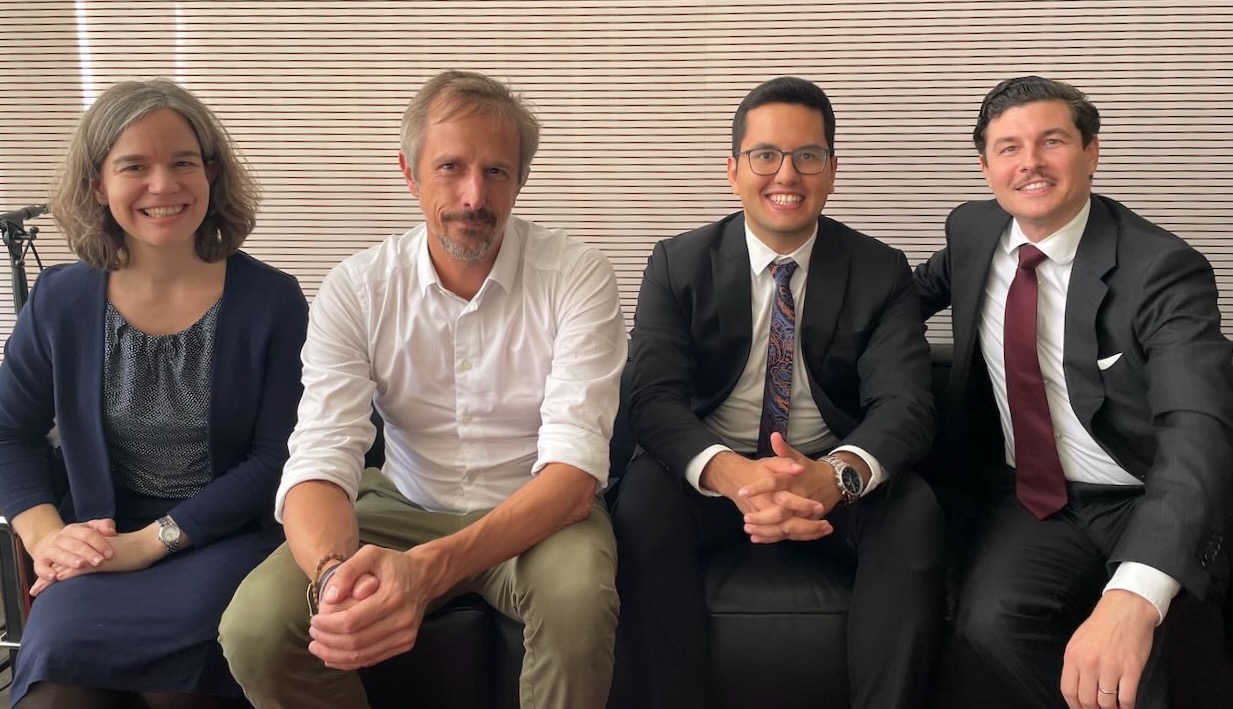
The debate centres on the much-publicised action of 2018: at a branch of the bank Credit Suisse in Lausanne, climate activists in fancy dress staged a brief, non-violent tennis match. The District Court acquitted them, but the Federal Supreme Court overturned the ruling. This judgement raises a multitude of criminal law issues concerning the treatment of climate activism.
In this debateDr. Marc Thommen, Professor of Criminal Law and Criminal Procedure at the University of Zurich, and Andrés Payer, a PhD candidate in criminal law at the same university and a visiting researcher at Humboldt University in Berlin, discuss the following: Can offences such as trespass or coercion be interpreted in a manner consistent with fundamental rights? Can a justification arise from a state of necessity or from Art. 14 of the Criminal Code (StGB), or from the excusable pursuit of legitimate interests? Or does the most convincing solution lie in the waiver of punishment according to Art. 52 of the Criminal Code (StGB), i.e. a conviction without punishment in cases of minor wrongdoing?
Protection gap: climate refugees
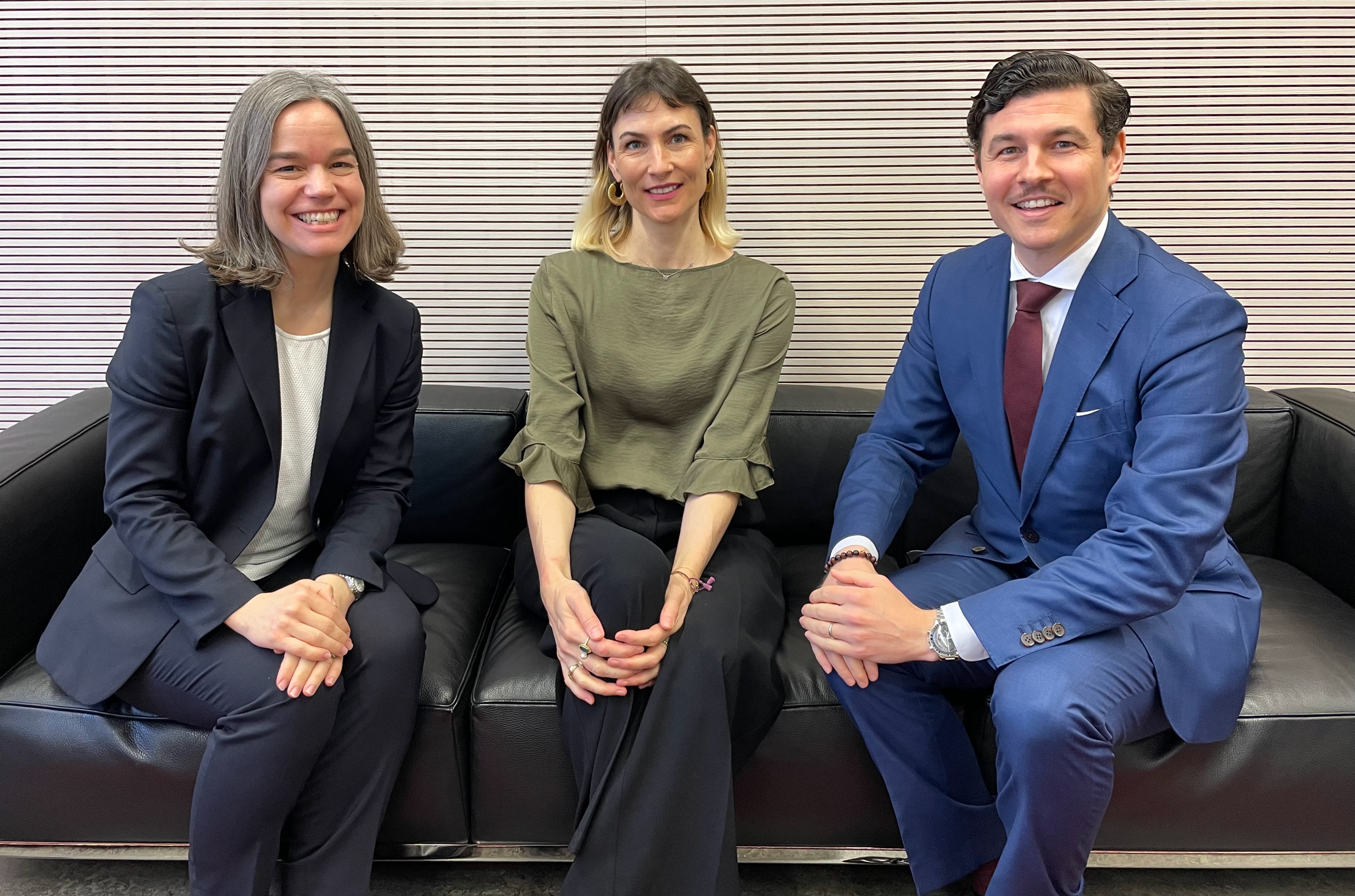
Droughts, rising sea levels, salinised soil: more and more people are being forced to flee due to climate change, whilst legal recognition as ‘environmentally displaced persons’ is still in its infancy.
Dr. iur. Stephanie Motz, a lawyer and specialist in international human rights protection, asylum and migration issues, explains why political terms such as ‘climate refugee’ are legally incorrect, why the Geneva Convention on Refugees does not apply to environmental displaced persons, and what possibilities human rights protection mechanisms offer, such as the right to life or health. Drawing on specific cases and international developments, she illustrates current approaches to solutions, ranging from soft-law initiatives and regional models to ideas such as the ‘climate passport’.
Environmental criminal law: ineffective penalties?
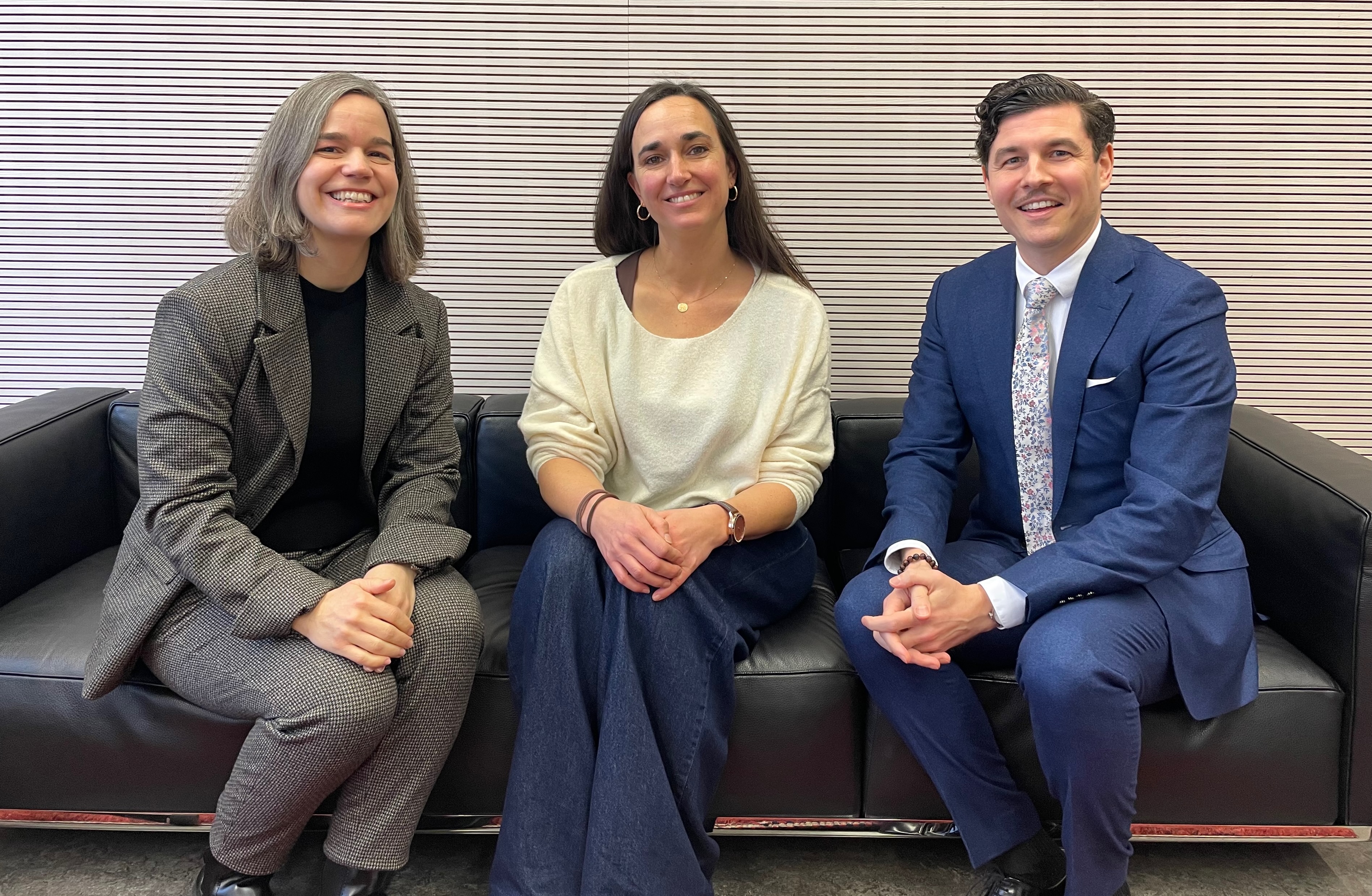
Lenient penalties, the fragmented and little-known body of ancillary criminal law and a lack of political will are the main reasons why environmental offences in Switzerland have so far been met with sanctions that offer little deterrent effect.
We speak toDr. Camille Perrier Depeursinge, Professor of Criminal Law at the University of Lausanne and an expert in environmental law, about potential insights from green criminology that could be used to address the structural weaknesses of environmental criminal law, so that environmental destruction no longer remains a calculable business risk. She also highlights alternatives and complementary measures to criminal law, such as administrative precautionary measures, specialised environmental authorities and the protection of whistleblowers – the latter being a key factor in bringing environmental crime to light in the first place.
Protection of water under criminal law
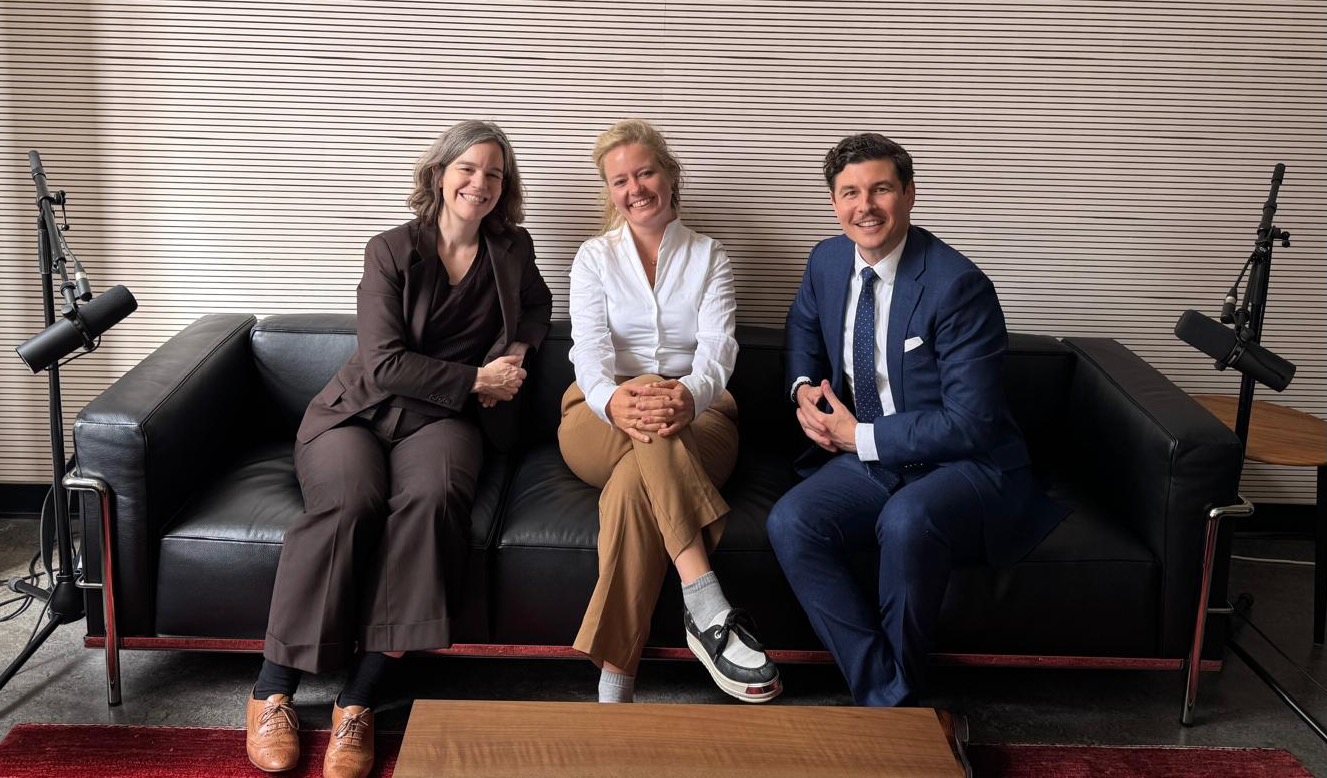
Climate change, water scarcity and cross-border conflicts over water use are increasing the pressure on legal mechanisms for the protection of water. To date, water has generally been protected only indirectly under criminal law, for example through the protection of people or state security interests. Furthermore, international water protection is extremely fragmented, being enshrined in particular in a multitude of treaties.
Larissa Fricke, a PhD candidate in the Department of Criminal Law at the University of Fribourg, is writing her thesis on the protection of water under criminal law. In this interview, she highlights where the instruments of international criminal law reach their limits, why massive interference with water resources should be treated as distinct criminal offences and why ecocide should be enshrined in the Rome Statute.
Climate liability in court: island of Pari versus Holcim

A ruling by the Cantonal Court of Zug is attracting attention beyond Switzerland’s borders: for the first time, a transnational civil climate lawsuit against a Swiss company has recently been admitted. Four fishermen from the Indonesian island of Pari are demanding that Holcim reduces its emissions, pays compensation and contributes to adaptation measures.
LawyerDr. iur. Nina Burri is supporting the case as an expert on business and human rights for the Swiss organisation HEKS. We speak to her about this historic ruling, the role of attribution research, questions of causality and the indirect impact of human rights under Article 28 of the Swiss Civil Code. We also take a look at the international development of climate litigation and the interactions between national courts and international human rights bodies.
Vision: Climate court of justice

Climate issues are inevitably also human rights issues today. To ensure these are effectively upheld, Helen Keller proposes the creation of an international climate court: a specialised body that could coherently interpret and further develop climate-specific human rights protection, with expert support from, for example, the IPCC. She envisages a model that goes beyond traditional state-centred procedures; one that could also hold companies more accountable and create scope for public interest litigation.
We also discuss the scope and implications of the International Court of Justice’s recent, groundbreaking Advisory Opinion on climate change, as well as the ‘Climate Grandmothers’ ruling by the European Court of Human Rights.
Dr. Helen Keller is a professor of international law at the University of Zurich and a former judge at the European Court of Human Rights (ECHR).
Climate economics: The costs of climate change

Even the pioneers of neoliberalism emphasised that the market is capable of regulating many things, but certainly not our careful stewardship of the environment and climate, says climate economist Lint Barrage. If there is no market for a product such as the atmosphere, there is no price and therefore no incentive to reduce emissions. In this respect, it is up to the state to put a price on climate-damaging behaviour, such as CO₂ emissions. Innovation in sustainable technologies must also be supported by the state, because the costs of innovation always exceed the economic benefits.
Dr. Lint Barrage is an associate professor in the Department of Management, Technology and Economics at ETH Zurich. We speak to her about the rapidly rising macroeconomic costs caused by climate change, its impact on growth, and recent approaches to creating incentives for climate-friendly economic activity, such as economies of scale.
Climate change: causes, consequences and responsibility
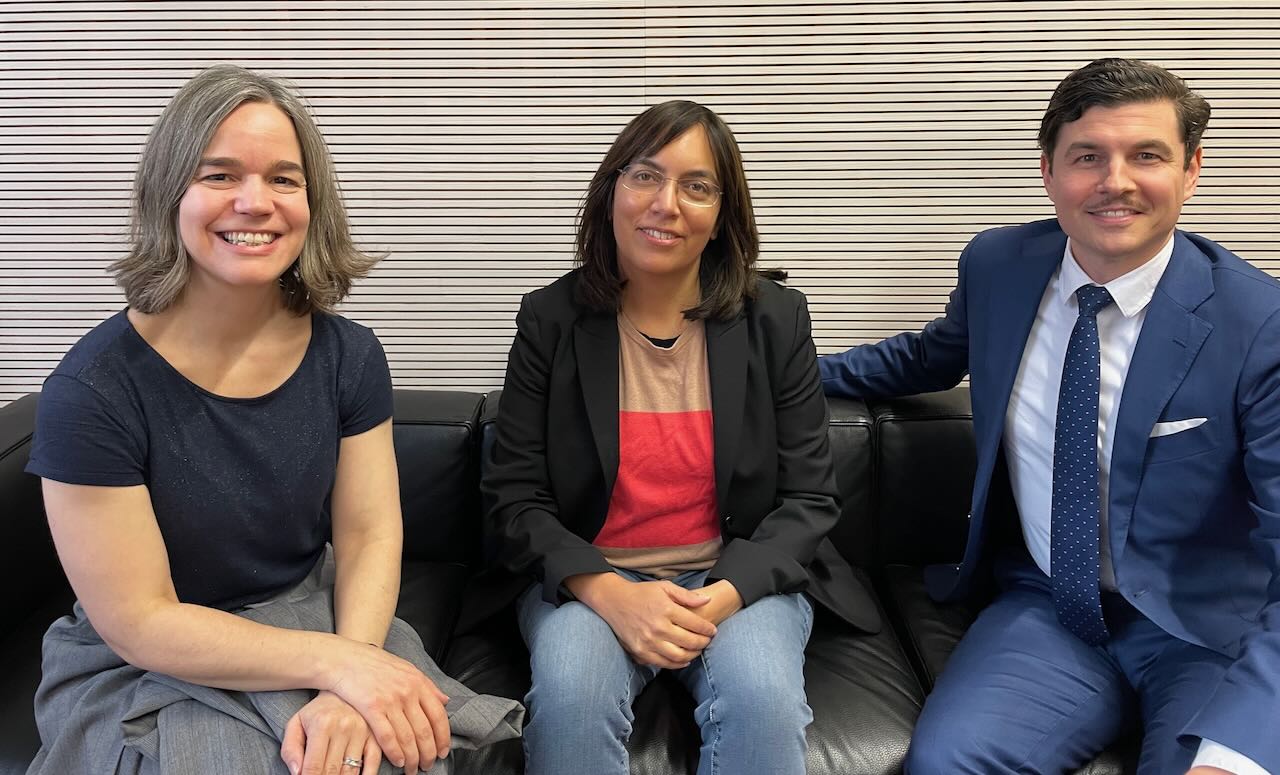
Heatwaves, parched soil and flooding. “Phasing out fossil fuels is, and remains, the key lever in the fight against climate change,” emphasises Prof. Dr. Sonja Seneviratne, climate scientist at ETH Zurich and Vice-Chair of Working Group I of the Intergovernmental Panel on Climate Change (IPCC).
We talk to her about the current state of climate research, extreme weather events, attribution science and tipping points. We learn why some heatwaves would be impossible without human influence, how these can be measurably attributed to individual major emitters, and what this means in terms of potential legal liability.